Aligning Affordability Benefits with Today’s Healthcare Experience

More than one-third of organizations that offer supplemental health insurance, such as accident, critical illness, and hospital indemnity, report increased enrollment over the past year. Many employers view these programs as a way to make benefits more affordable and help employees weather unexpected healthcare expenses.
That intent is understandable. But some employers are questioning the value employees receive from these benefits, suggesting it’s time for a closer look.
As financial risk has steadily shifted to employees, many enroll in supplemental coverage during open enrollment for a simple reason: they don’t know how they would afford a major health event otherwise. Only 47% of Americans report having enough liquidity to cover a $1,000 emergency expense.
In practice, however, many supplemental insurance benefits don’t align cleanly with how deductibles and coinsurance accumulate, when providers expect to be paid, or the real cash-flow pressure employees face during a health event.
This is a symptom of a system that has overcorrected toward managing utilization at the expense of access – creating barriers to care and, ultimately, higher costs for the plan, the employer, and the employee. Over one-third of Americans avoid care due to cost, indicating a clear connection between financial stability and necessary healthcare utilization.
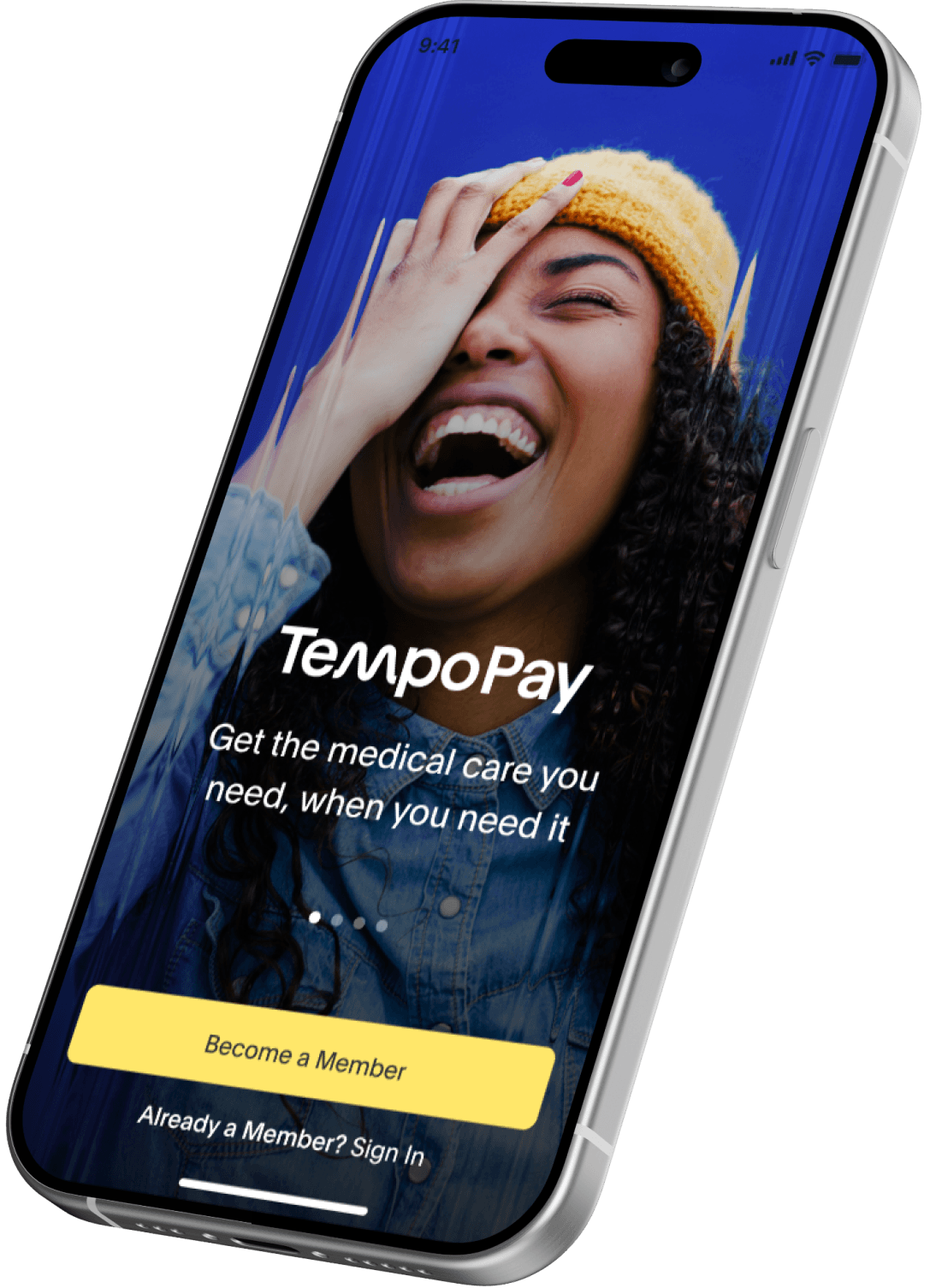
With proactive access to capital, employees can confidently access care when they need it and smooth out costs to fit their budget without interest charges or fees. TempoPay removes upfront barriers to care, while supplemental benefits provide post-care dollars that can help close the loop for those who elect them.
The question isn’t whether employees need more support. They do. It is whether the solutions offered change the experience of accessing and paying for care, especially for those most sensitive to upfront cost.
8 Questions to Ask When Reviewing a Healthcare Affordability Benefit:
Does it remove financial barriers at the point of care?
Does it support those employees who are most vulnerable to out-of-pocket costs?
Do employees avoid additional premiums and ongoing fees?
Is the experience simple in a stressful moment?
Does it reduce administrative complexity for our HR and Benefits team?
Is it safe from an ERISA and fiduciary standpoint?
Is broker compensation transparent and defensible?
Can it measurably shift employee behavior?
Our team is here to help make it simple to remove financial barriers to care. This TempoPay x Supplemental Insurance Coverage Quicksheet breaks down how TempoPay compares to and can complement most supplemental health coverages.
The benefit employees need now
We provide financial support year-round and can be implemented throughout the year.