








Employers have made significant investments in financial wellness over the past decade. Budgeting tools, emergency savings programs, retirement readiness resources, and financial education platforms have become common components of a competitive benefits package.
According to TempoPay President Brian Marsella, many employers have made meaningful progress in supporting financial wellbeing, but a critical gap remains. Employees may understand how to budget, save, and plan, yet still lack the resources needed to cover an immediate healthcare expense. When the unexpected happens, it can sideline financial plans for the future.
As healthcare costs continue to rise, employers are increasingly looking beyond traditional plan design changes. The focus is shifting from controlling costs to improving access and supporting better health outcomes.
Instead of asking, "How can we reduce utilization?" employers and their benefits advisors should ask, "How can we help employees access the right care at the right time?"
When employees can act on preventive care recommendations, fill prescriptions, and seek treatment before conditions worsen, both health outcomes and financial outcomes improve.
Benefit advisors and brokers play a critical role in helping employers identify affordability gaps and evaluate solutions that support workforce health.
According to Marsella, organizations should look deeper into measures such as preventive care utilization, healthcare engagement across income levels, prescription adherence, and employee perceptions of affordability. These insights can reveal important opportunities to improve healthcare access and health equity across the workforce.
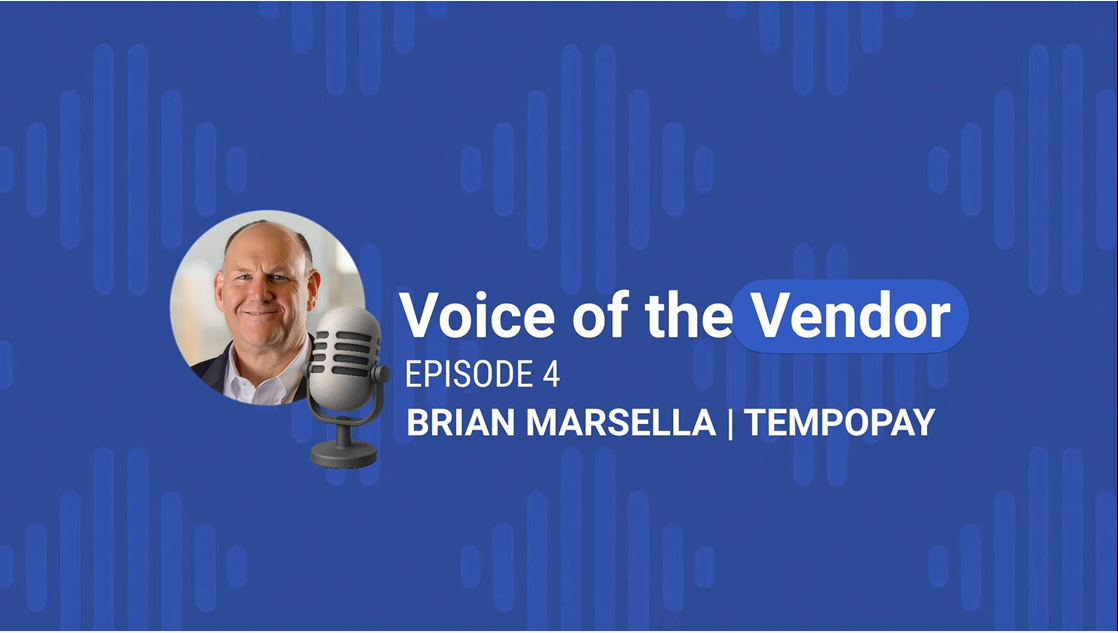
Listen to the full Voice of the Vendor podcast featuring Brian Marsella, President of TempoPay, to learn more.
